
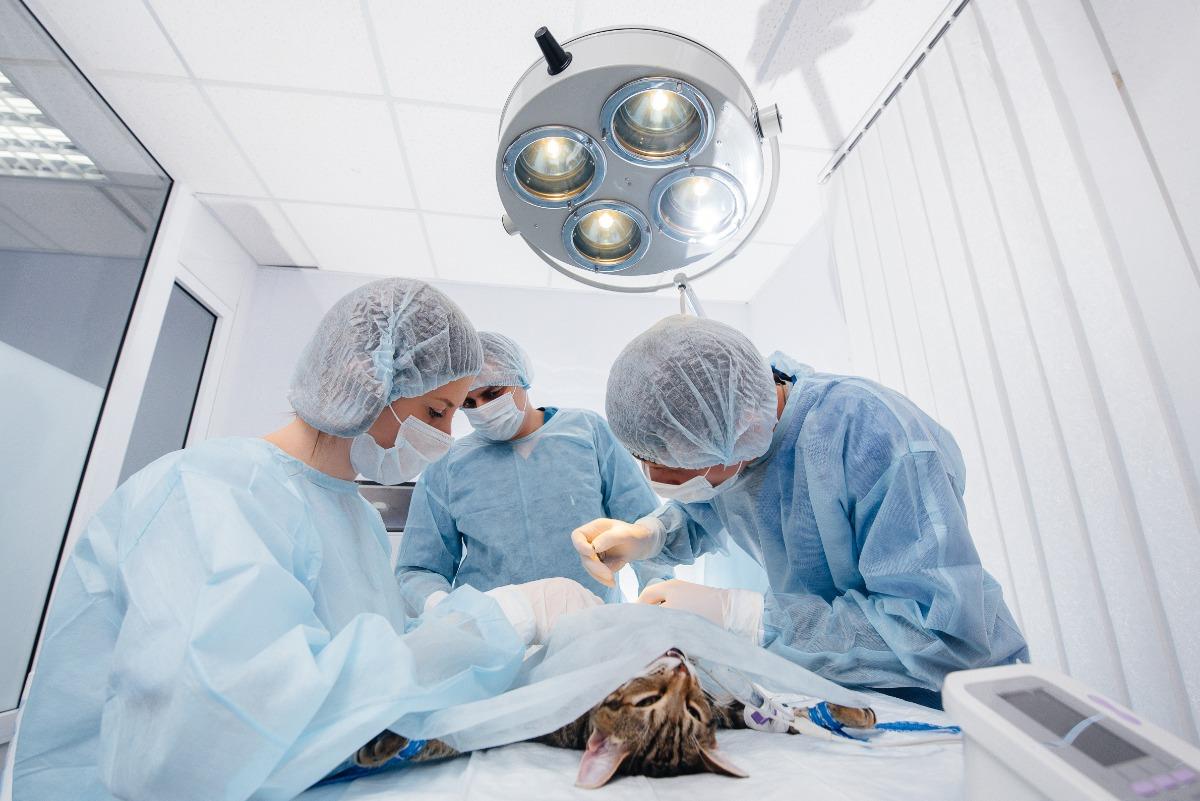
The Importance of Spaying and Neutering Your Pet
- posted: Mar. 05, 2024
Understanding the Importance of Spaying and Neutering Your Pet Spaying and neutering are surgical procedures that prevent animals from reproducing. Spaying removes the ovaries from female pets, while neutering removes the Read More
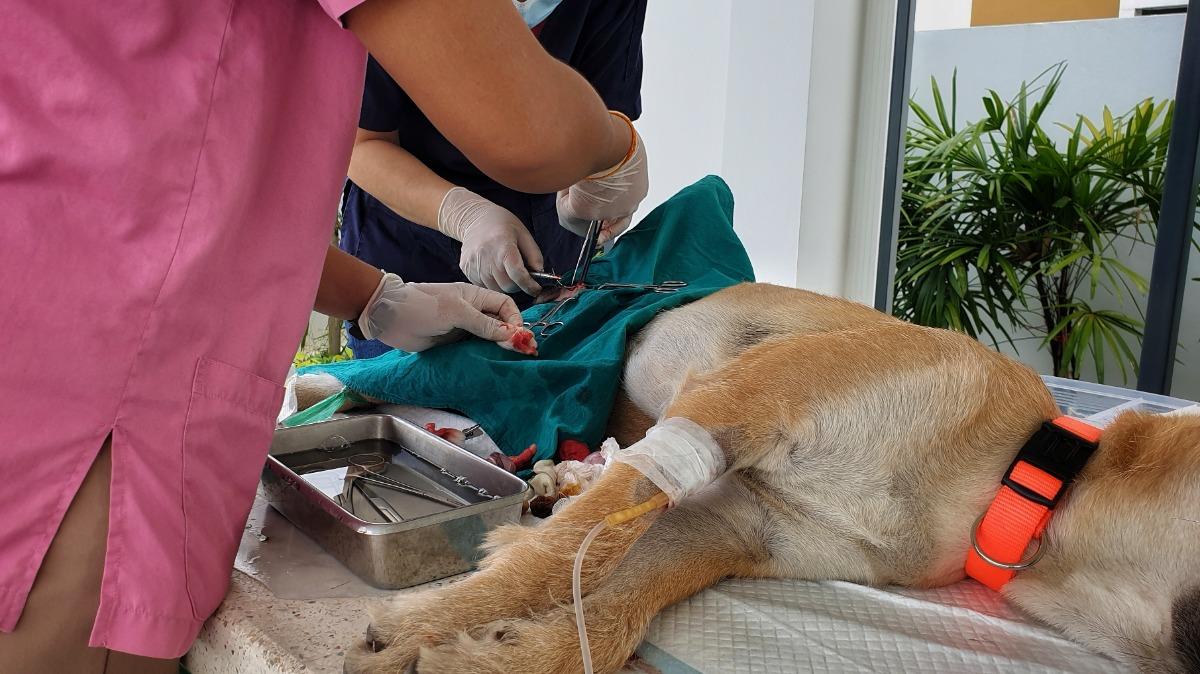
What You Need to Know About Spaying and Neutering
- posted: Feb. 12, 2024
What You Need to Know about Spaying and Neutering Many pet owners in and around Durham, NC, have their pets spayed or neutered, and many of those pet owners shared the Read More
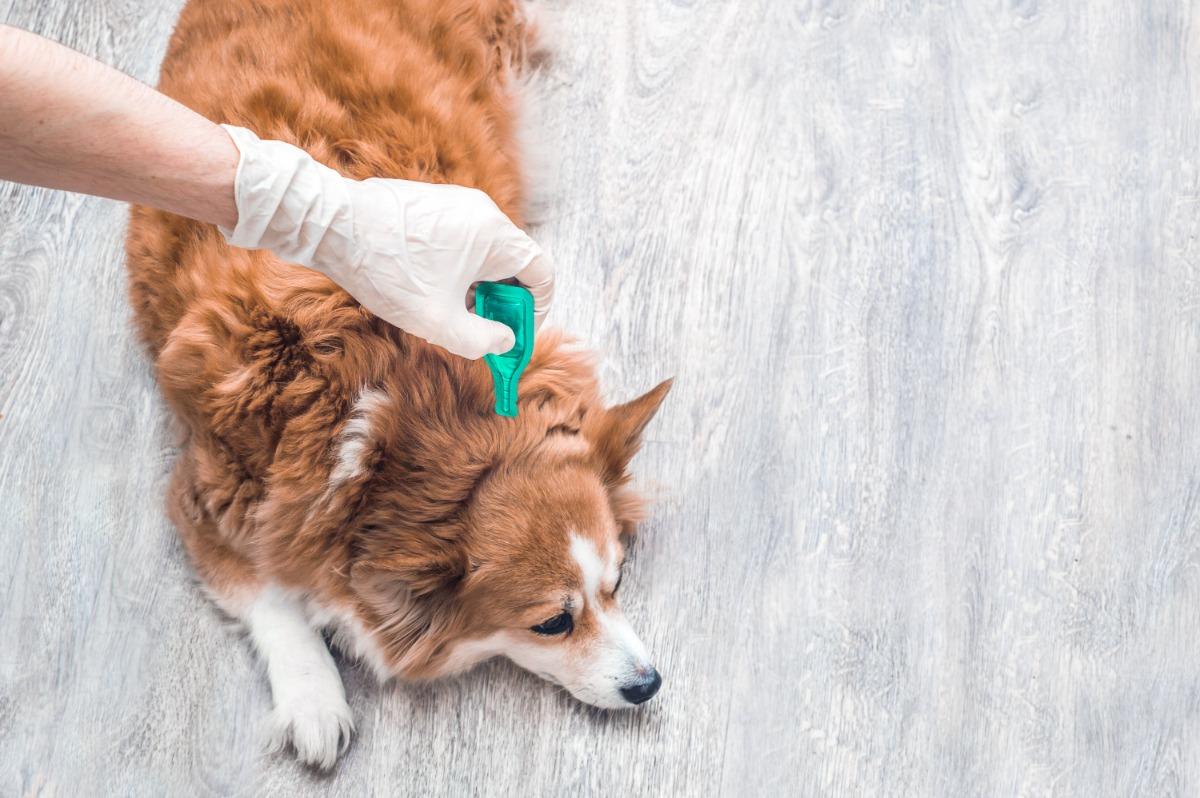
Flea & Tick Prevention: Keeping Your Pets Safe from Fleas & Ticks
- posted: Jan. 02, 2024
Flea & Tick Prevention: Keeping Your Pets Safe from Fleas & Ticks In human medicine, they say an ounce of prevention is worth a pound of cure. When it comes to Read More
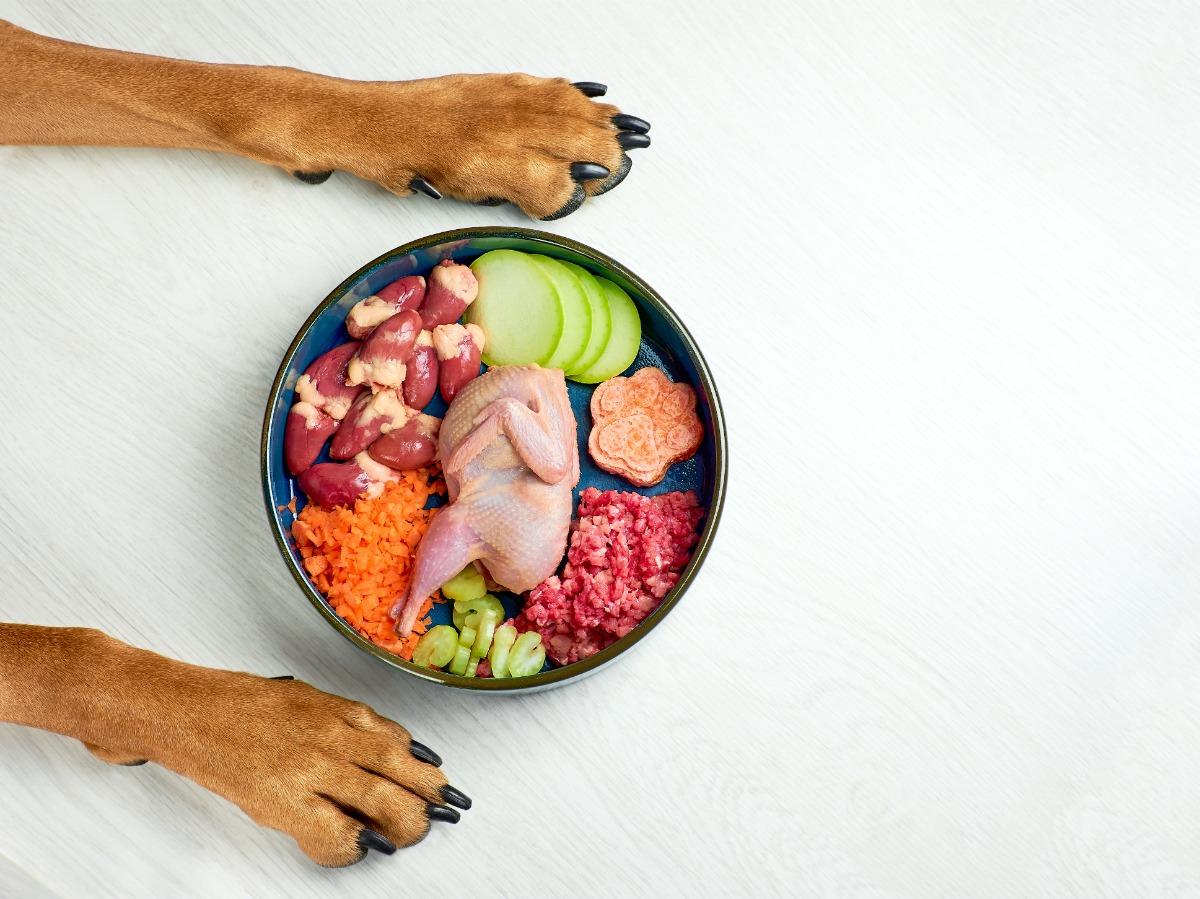
The Importance of Nutrition in Your Dog's Diet
- posted: Dec. 12, 2023
The Importance of Nutrition in Your Dog's Diet As a pet owner, ensuring your dog receives the best possible nutrition is crucial for his or her overall health and well-being. Your Read More
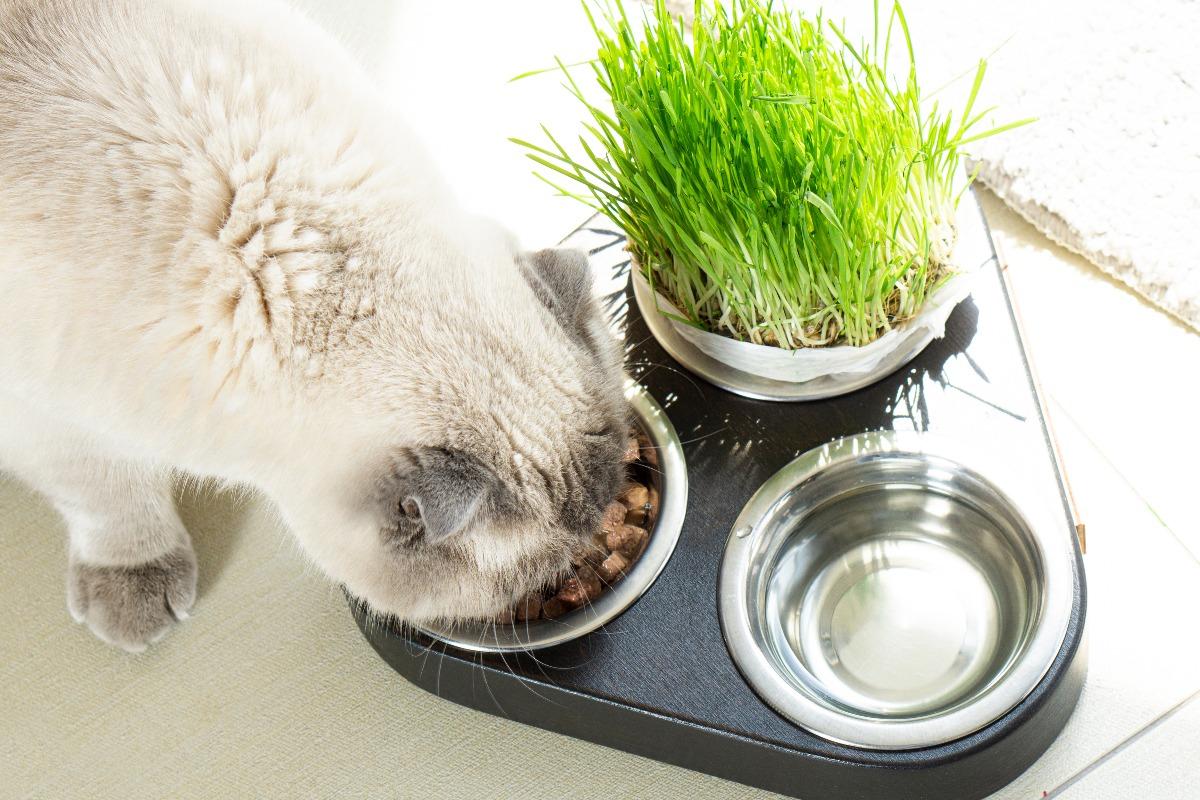
The Importance of Nutrition in Your Cat's Diet
- posted: Dec. 12, 2023
The Importance of Nutrition in Your Cat's Diet Cats hold a special place in our hearts and their well-being is a top priority for pet owners. One crucial aspect of caring Read More

What to Expect from Your Puppy or Kittens First Exam
- posted: Oct. 03, 2023
What to Expect from Your Puppy or Kittens First Exam Getting a new puppy or kitten is exciting and fun but there's also a lot of responsibility involved. Part of that Read More

Caring for your Senior pet
- posted: Aug. 22, 2023
Caring for Your Senior Pet Routine care for older pets becomes more important than ever to stay on top of developing health issues. Caring for a senior pet requires special attention Read More
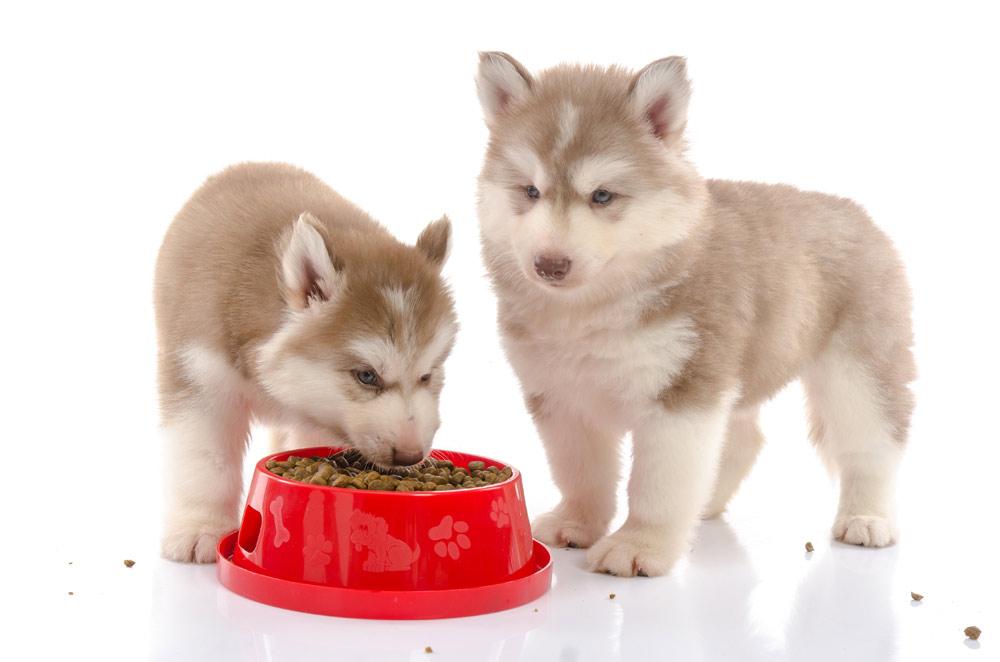
Bringing Home Your New Puppy
- posted: Jul. 31, 2023
Bringing home a new pet may be one of the most joyous events your family experiences. If you are not prepared, however, that joyous experience can turn into a nightmare. Read More
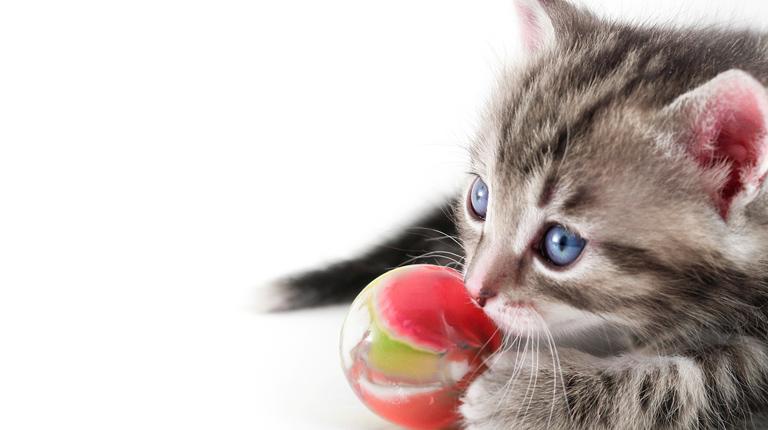
Bringing Home Your New Kitten
- posted: Jul. 14, 2023
Bringing Home Your New Kitten Adopting a pet is an exciting time. There’s nothing like watching your adorable kitten grow from a little ball of fur into an adult that's now Read More

Fireworks and Pets
- posted: Jun. 23, 2023
Fireworks and Pets Whether you're celebrating a public holiday, such as the Fourth of July, or a personal birthday, fireworks can provide a lot of fun. However, it's important to remember Read More

Bringing Home your new Puppy
- posted: Jun. 06, 2023
Bringing Home Your New Puppy Puppies are lovable yet mischievous creatures, full of curiosity and wonder. If you don’t prepare for your pup’s arrival in advance, he’s apt to wreak havoc Read More
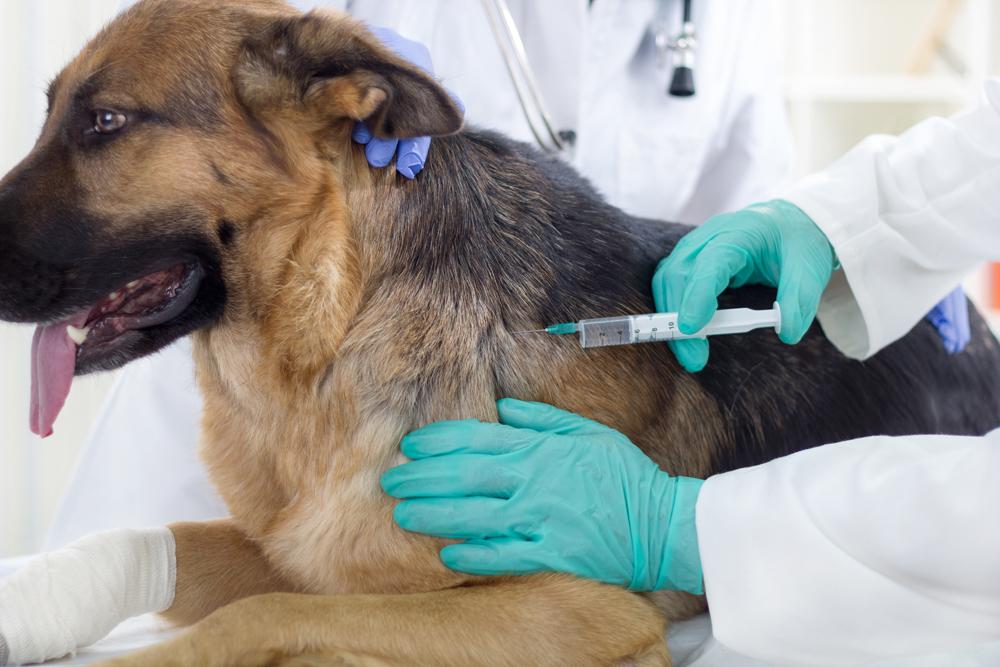
How Safe is Pet Anesthesia
- posted: Feb. 23, 2023
How Safe Is Pet Anesthesia? Feeling concerned about having your pet placed under anesthesia is a normal part of having a furry companion in your family. While some pet owners might Read More
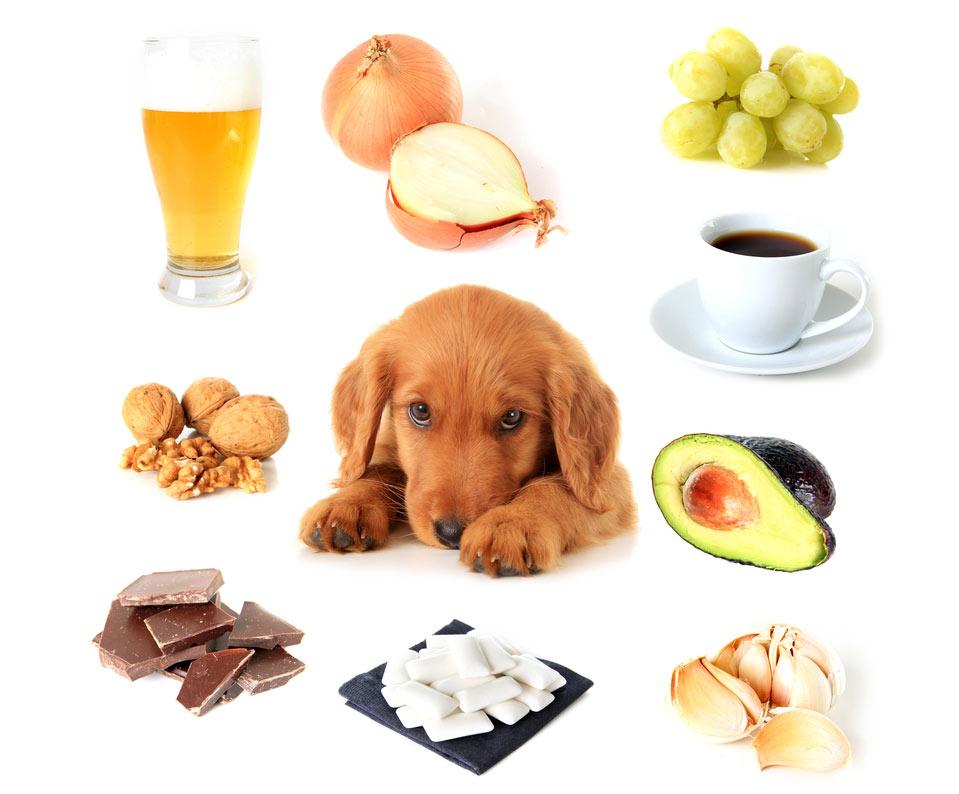
Toxic Holiday Foods for Your Pet
- posted: Jun. 27, 2022
As the holidays approach, it can be tempting to share table food with your pet. After all, if the rest of the family is enjoying a meal, then they should Read More

Pet Vomiting and Diarrhea
- posted: May 04, 2022
Vomiting and Diarrhea are common signs of gastrointestinal upset in pets. There are many causes of the conditions. At New Hope Animal Hospital in Durham, NC, we take care of Read More
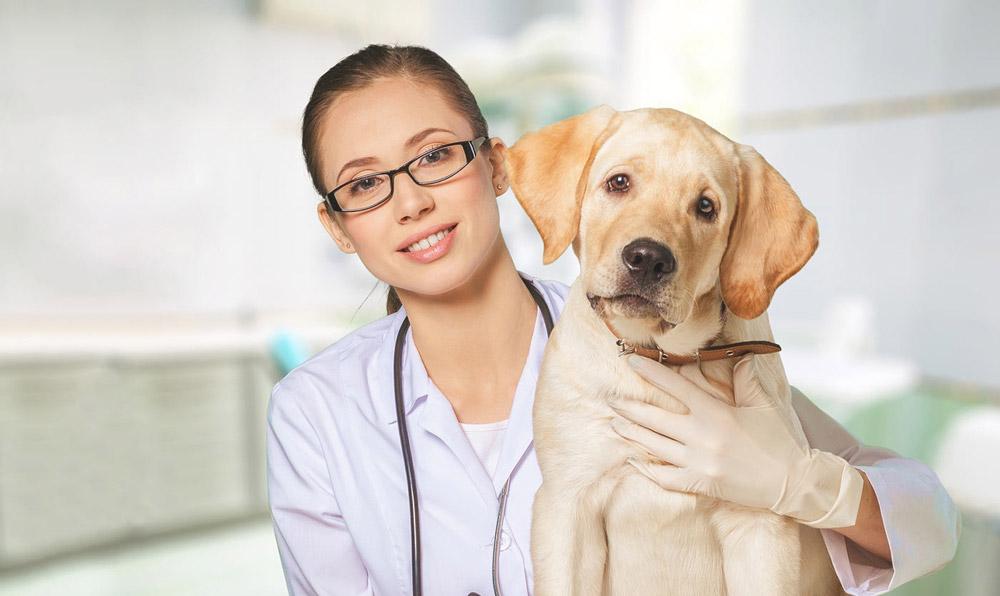
Signs Your Pet Might Be Ill
- posted: Feb. 24, 2022
At New Hope Animal Hospital in Durham, helping to maintain your pet's health is our goal year-round. Whenever a pet is not feeling well, pet owners want to do everything Read More
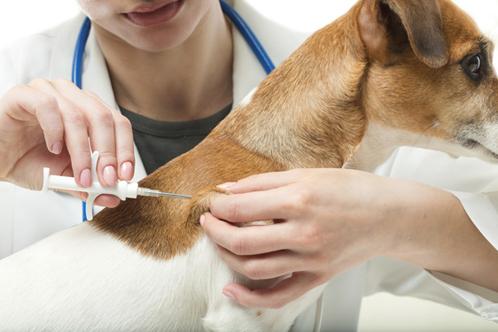
Why Microchipping Is Important
- posted: Oct. 08, 2021
Many pet owners’ biggest fear is losing their animal. It is important to take measures to avoid this. One of these is pet microchipping. Microchipping increases the chances of reuniting Read More
Visit Our Office
New Hope Animal Hospital
5016 Durham-Chapel Hill Blvd
Durham, NC 27707
