
How to Recognize the First Signs of Arthritis in Your Dog or Cat
- posted: Mar. 02, 2026
Arthritis is one of the most common chronic conditions affecting pets. At New Hope Animal Hospital in Durham, NC, we often diagnose pet arthritis in both dogs and cats, especially as they age. Early detection matters, and a trusted veterinarian can guide you through the next steps.
What Is Pet Arthritis?
Pet arthritis is a degenerative joint disease that causes inflammation within the joints. The medical term osteoarthritis refers to the gradual breakdown of cartilage, which normally cushions the ends of bones. When cartilage deteriorates, bones rub against each other, pain develops, and mobility decreases.
Early Signs of Arthritis in Dogs
Dogs tend to show physical signs first. You may notice stiffness after rest, reluctance to jump into the car, or difficulty climbing stairs. Some dogs walk more slowly, while others hesitate before standing up.
Limping may come and go. Activity levels can decrease, and your dog may sleep more than usual. Joint swelling can sometimes be felt, although it is not always visible.
Early Signs of Arthritis in Cats
Cats are experts at hiding pain, and the signs of arthritis are often behavioral rather than dramatic. A cat with arthritis may stop jumping onto high surfaces, groom less frequently, or avoid the litter box if entry requires stepping over a high edge.
You might notice irritability when touched, especially around the hips or spine. Weight gain can occur when activity decreases. Although these signs may seem minor, they often indicate chronic joint discomfort.
How Is Arthritis Diagnosed?
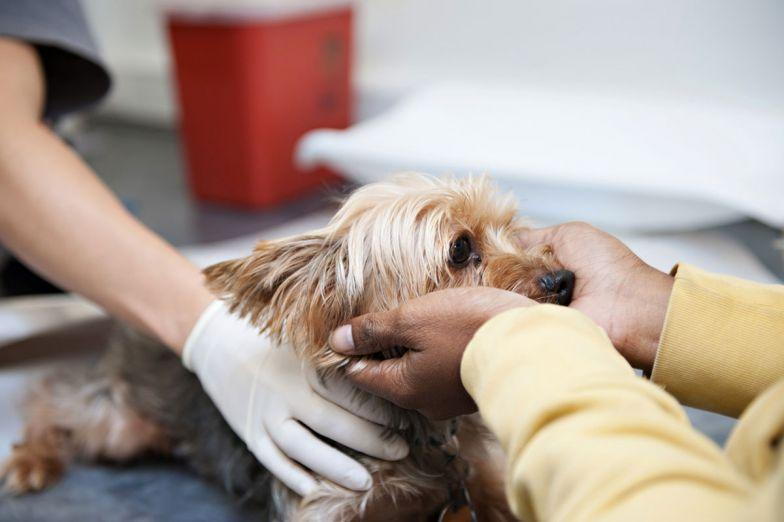
Diagnosis begins with a physical exam. The joints are palpated, range of motion is evaluated, and gait is observed. In many cases, radiographs are taken to confirm cartilage loss, joint space narrowing, or bone remodeling. Arthritis cannot be reversed, but it can be managed effectively. When early intervention is provided, progression may be slowed and quality of life improved.
Treatment Options for Pet Arthritis
Treatment plans are tailored to the individual pet. Anti-inflammatory medications are commonly prescribed to reduce pain and swelling. Joint supplements may be recommended to support cartilage health. Weight management is essential, since excess weight increases joint stress.
Physical therapy, controlled exercise, and environmental modifications can also be used. Soft bedding and ramps help reduce strain on affected joints. In some cases, advanced therapies are discussed.
When Should You See a Veterinarian?
If you are looking for an animal hospital near you that offers comprehensive pet arthritis treatment near you, New Hope Animal Hospital provides personalized care designed to keep your pet comfortable and active. To learn more or schedule an appointment, call our office at (919) 490-2000. Our team is committed to helping pets live healthier, more comfortable lives.
- posted: Mar. 02, 2026
Arthritis is one of the most common chronic conditions affecting pets. At New Hope Animal Hospital in Durham, NC, we often diagnose pet arthritis in both dogs and cats, especially as they age. Early detection matters, and a trusted veterinarian can guide you through the next steps.
What Is Pet Arthritis?
Pet arthritis is a degenerative joint disease that causes inflammation within the joints. The medical term osteoarthritis refers to the gradual breakdown of cartilage, which normally cushions the ends of bones. When cartilage deteriorates, bones rub against each other, pain develops, and mobility decreases.
Early Signs of Arthritis in Dogs
Dogs tend to show physical signs first. You may notice stiffness after rest, reluctance to jump into the car, or difficulty climbing stairs. Some dogs walk more slowly, while others hesitate before standing up.
Limping may come and go. Activity levels can decrease, and your dog may sleep more than usual. Joint swelling can sometimes be felt, although it is not always visible.
Early Signs of Arthritis in Cats
Cats are experts at hiding pain, and the signs of arthritis are often behavioral rather than dramatic. A cat with arthritis may stop jumping onto high surfaces, groom less frequently, or avoid the litter box if entry requires stepping over a high edge.
You might notice irritability when touched, especially around the hips or spine. Weight gain can occur when activity decreases. Although these signs may seem minor, they often indicate chronic joint discomfort.
How Is Arthritis Diagnosed?
Diagnosis begins with a physical exam. The joints are palpated, range of motion is evaluated, and gait is observed. In many cases, radiographs are taken to confirm cartilage loss, joint space narrowing, or bone remodeling. Arthritis cannot be reversed, but it can be managed effectively. When early intervention is provided, progression may be slowed and quality of life improved.
Treatment Options for Pet Arthritis
Treatment plans are tailored to the individual pet. Anti-inflammatory medications are commonly prescribed to reduce pain and swelling. Joint supplements may be recommended to support cartilage health. Weight management is essential, since excess weight increases joint stress.
Physical therapy, controlled exercise, and environmental modifications can also be used. Soft bedding and ramps help reduce strain on affected joints. In some cases, advanced therapies are discussed.
When Should You See a Veterinarian?
If you are looking for an animal hospital near you that offers comprehensive pet arthritis treatment near you, New Hope Animal Hospital provides personalized care designed to keep your pet comfortable and active. To learn more or schedule an appointment, call our office at (919) 490-2000. Our team is committed to helping pets live healthier, more comfortable lives.
Visit Our Office
New Hope Animal Hospital
5016 Durham-Chapel Hill Blvd
Durham, NC 27707
