Blog ArchiveHide

2011

Jan | Feb | Mar | Apr | May | Jun | Jul | Aug | Sep | Oct | Nov | Dec

2012

Jan | Feb | Mar | Apr | May | Jun | Jul | Aug | Sep | Oct | Nov | Dec

Preparing to Adopt a Reptile?

Posted on 2012-02-16 15:34:04

Chat with Our Chapel Hill and Durham Veterinarian Before Bringing Home a Reptile

Reptiles can fascinate a family for years, but they have very different living requirements from those of furry pets. Our Durham and Chapel Hill exotic pet veterinarian, Dr. Kay Bishop uses this blog to share some critical preparations families need to make before bringing home a scaly new family member.

Our Animal Clinic Will Answer Questions
About Reptile Care

We love reptiles here in our animal clinic, and encourage pet owners to call us with questions about any of the following reptile living requirements.

Housing—The reptile’s terrarium must be escape-proof and mimic his natural habitat. It also needs to allow for growth and natural movement, and may have to be custom Durham veterinarians provide tips for adopting reptilesdesigned. Iguanas, for example, can grow up to 6 feet long and need tree-like structures for climbing. Turtles, however, enjoy low, wide enclosures.

Heating and Light—Reptiles cannot control their body temperature, so research the temperature gradient your species needs and provide areas in the terrarium that span that range, with some areas on the cooler end, some on the warmer end.

Substrates—Each species needs different flooring materials. Moss, newspaper or rocks may be appropriate, but what works well for one reptile may be dangerous for another. For example, if a gecko ingests any sand or gravel, it could die from an intestinal blockage. Call us here at our veterinary hospital for tips on the proper substrate for each species.

Diet—Every species is different. Ball pythons enjoy rodents, but leopard geckos want live crickets. Research and follow the species’ dietary requirements exactly to avoid problems.

Handling—Not all reptiles tolerate handling very well. Taking a reptile out of his temperature-controlled environment too often can endanger him and make him sick or aggressive, so be sure to understand this before you bring home a reptile.

Again, please call our animal hospital if you have any questions about caring for a pet reptile.

And for families out there who have a lizard, snake or turtle: What suggestions do you have for a rewarding reptile experience? How has your reptile surprised you?


Be the first to leave a comment!

Oral Health Contributes to Overall Health

Posted on 2012-02-02 11:38:16

Pet Periodontal Disease Affects Durham
and Chapel Hill Pets

Periodontal disease is one of the most common diseases occurring in dogs and cats. We wouldn’t dream of letting our children suffer with poor oral health, but many pet owners unknowingly allow their pets to experience a great amount of pain and discomfort. Without proper dental care, pets’ teeth may become loose, gums could become sore, and teeth may fall out leading to problems chewing and swallowing. Bacteria in the mouth and gums can also travel through your pet’s blood stream, leading to possible kidney, liver and heart damage.

Our pets’ teeth are similar to ours in many ways. When food particles mix with bacteria in the mouth and aren’t removed, they can lead to plaque. Plaque combines with minerals in the pet’s saliva to form tartar which can build up on the teeth, irritate the gums and lead to infection. This initial inflammation is called gingivitis and is treatable. If the gums start to separate from the teeth, more bacteria can accumulate, leading to periodontal disease. This can be quite serious for your pet and may require animal surgery at our clinic.

Durham veterinarians provide animal dentistry services

Animal Dentistry Services at our Animal Clinic

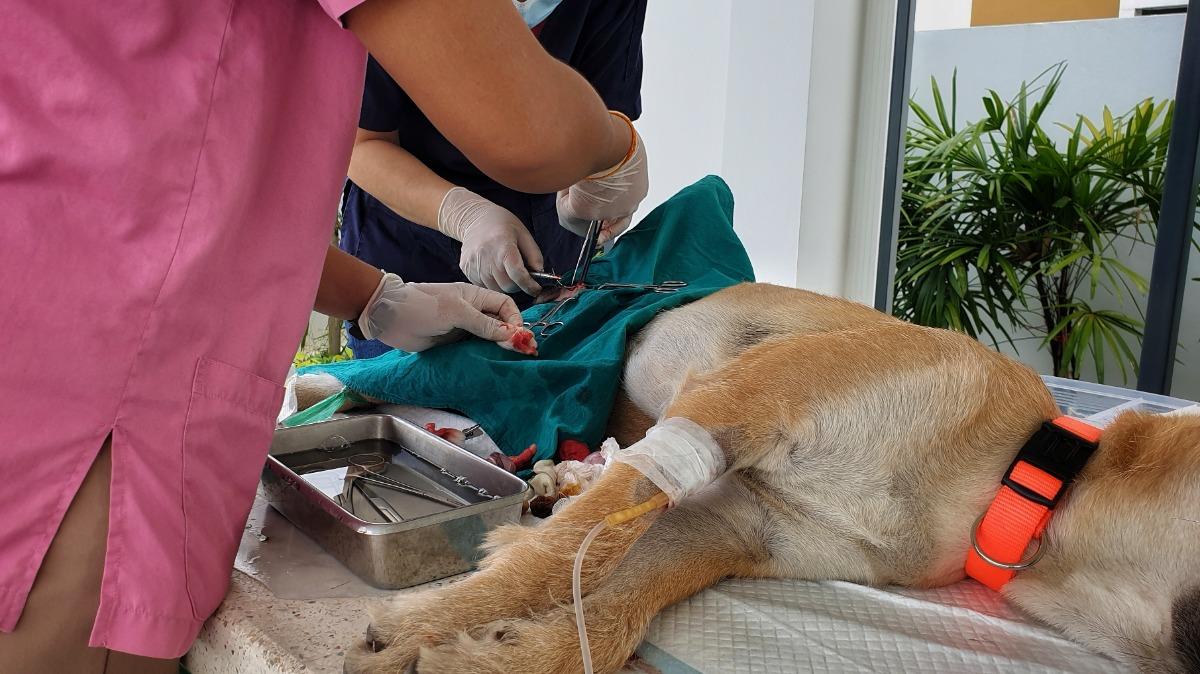
Our Chapel Hill and Durham veterinarians advise pet owners to practice pet oral hygiene at home and bring pets to our animal clinic for regular cleanings and dental check-ups. Signs to look for that might indicate your pet is experiencing some type of oral pain or discomfort include pus, persistent bad breath, red or bleeding gums, mouth sensitivity, diminished appetite, drooling, and mood changes. If you notice any of these symptoms in your pets, bring them to our Durham facility as soon as possible. We will examine your pet’s mouth, assess the amount of damage, and advise you on what animal dentistry services might be needed. If the damage is minimal, we may be able to gently remove the plaque. More advanced cases may require debridement, gingivectomy, surgery and possibly extraction.

What do you do to prevent periodontal disease in your pet? Leave us a comment below or visit New Hope and discover what we can do for YOU and YOUR PET.


Be the first to leave a comment!

Is Your Home Pet Proofed?

Posted on 2012-01-26 13:08:09

Pet-Proofing Tips from Our Durham
& Chapel Hill Veterinarian

If you have ever had small children in your home, you are familiar with concept of “child-proofing” or “baby-proofing” the environment to make it safe for the little ones. Well, if your little ones include pets, then you must think about “pet-proofing” as well. Here are a few simple things you can do to prevent emergency trips to the veterinary hospital.

Clean safely. Cats love enclosed spaces, particularly the inside of a nice warm dryer. Keep your washer and dryer lids closed at all times, and watch out when you are loading these Pet proofing tips from Chapel Hill veterinary hospitalappliances so Kitty does not decide to join your laundry. The “Closed lid” rule also applies to toilet seats, trash bins, medicine cabinet doors and any other area that could spell trouble for pets.

Create a safe living area. If you sew or knit, keep your needle, string or thread out of paw’s reach. Pets may also be tempted to chew on wires, so make sure you secure all your home theater cabling or other electronic wiring to prevent electrocution or choking. Anything that can be knocked over can fall on a pet and injure it, so decorate with that thought in mind. And some common decorative plants can prove toxic to animals, so move them out of the way.

Pet-proof the bedroom. Walk-in closets contain clothes with buttons, drawstrings and other possible choking hazards, so keep the door shut. This will also prevent cats from trying to climb to the top of the closet. Keep drawers closed to inquisitive kittens or puppies. Finally, keep your night table free of makeup, hair rubberbands, medications or skin care products that could prompt a trip to the veterinarian.

Our Veterinary Hospital Is Standing By

No one can anticipate every possibility. If your Durham or Chapel Hill pet does get into something or get injured, call us at New Hope Animal Hospital and we will do everything possible to help, including animal surgery if need be. In the meantime, a pet-proof home is a safer home!

Does your pet have a special affinity for the dryer, closet, etc?


Be the first to leave a comment!

Valentine's Day Contest on Facebook

Posted on 2012-01-24 12:50:17

!!*2 Days of Boarding Free!!


Enter our

Valentine’s Day Contest

on Facebook


“Show the love”

Please submit a photo of your pet (pets) showing off “their love”.

Examples of this are cuddling with their friends, favorite toys, snuggled under blankets or just acting sweet.

 Email all photos to: HRT51708@aol.com

Rules: 

          Only one photo per pet, per household

          Costumes and props are more than welcome (encouraged J)

          No photoshop

          Must have all photos submitted by 02/08/12


On our Facebook Page:

Voting will start 02/09/12

          You may only vote once for your favorite entry

          You vote by typing in, “my vote” under the photo of the pet that you like in the comments section


Voting will end 02/13/12


Winner: will receive *2 days of boarding free! Plus a New Hope T-Shirt.

*excludes the Thanksgiving & Christmas Holidays; all reservations pending availability

Be the first to leave a comment!

Tips for Home Pet Dental Care

Posted on 2012-01-10 13:59:20

Home Dental Tips from Our Durham Veterinarians

Pets’ teeth require just as much care as ours do. Unfortunately, two-thirds of pet owners don’t provide this crucial piece of pet home healthcare. If a pet's teeth are not cleaned regularly, the pet is at risk to develop periodontal disease which may lead to teeth becoming decayed or abscessed. Having sound teeth Durham veterinarian advised on home pet dental caremeans your pet can chew food properly and get the nutrition they need to live a long and healthy life.

There are actions you can take at home that will work in conjunction with the Durham animal dentistry services available at our animal hospital. As soon as a puppy or kitten joins your family, begin familiarizing your pet with the routine of home pet dental care. Here are some steps we have compiled to help make the process easier for your and your pet.

Start by dipping a finger into beef bouillon or tuna water and gently rub it along your pet’s teeth and gums. When your pet becomes accustomed to this, place a piece of gauze over your finger and rub the teeth and gums.

Once your pet is comfortable with the gauze, begin using a pet-specific toothbrush. Only use pet toothpaste as “human” toothpaste could not only upset your pet’s stomach, but could make them very ill. Make sure you brush the top, bottom, inside, and outside of all teeth.

Lastly, make sure to use dry pet food as it builds strong teeth and keeps them clean. We recommend that you provide dry dog bones and rubber chew toys to help keep teeth and gums free of plaque.

Quality Dental Care at Our Chapel Hill Animal Clinic

While you’re taking care of your pet’s teeth be sure to look for any discoloration, bleeding, or loose teeth. If you notice any problems, set up an appointment with us as soon as possible. Just like you, your pet's teeth also need to be examined by a professional on a regular basis. Our veterinarian provides animal dentistry services that include oral health examinations and dental cleanings. If plaque has built up, we can gently scrape away the plaque and polish the teeth. In severe cases, a decayed tooth may need to be extracted.

What would you like to know about pet dental care? Leave a comment below or visit New Hope Animal Hospital and discover what we can do for YOU and YOUR PET.


Be the first to leave a comment!

Connect With Us!


Veterinary Topics

Member Topics

Welcome Guest!

Want access to members only content?
Sign in with your account, or register to become a member below.

Top